‘Absolutely crazy’: Here’s what South Korean stock investors are doing in U.S. markets
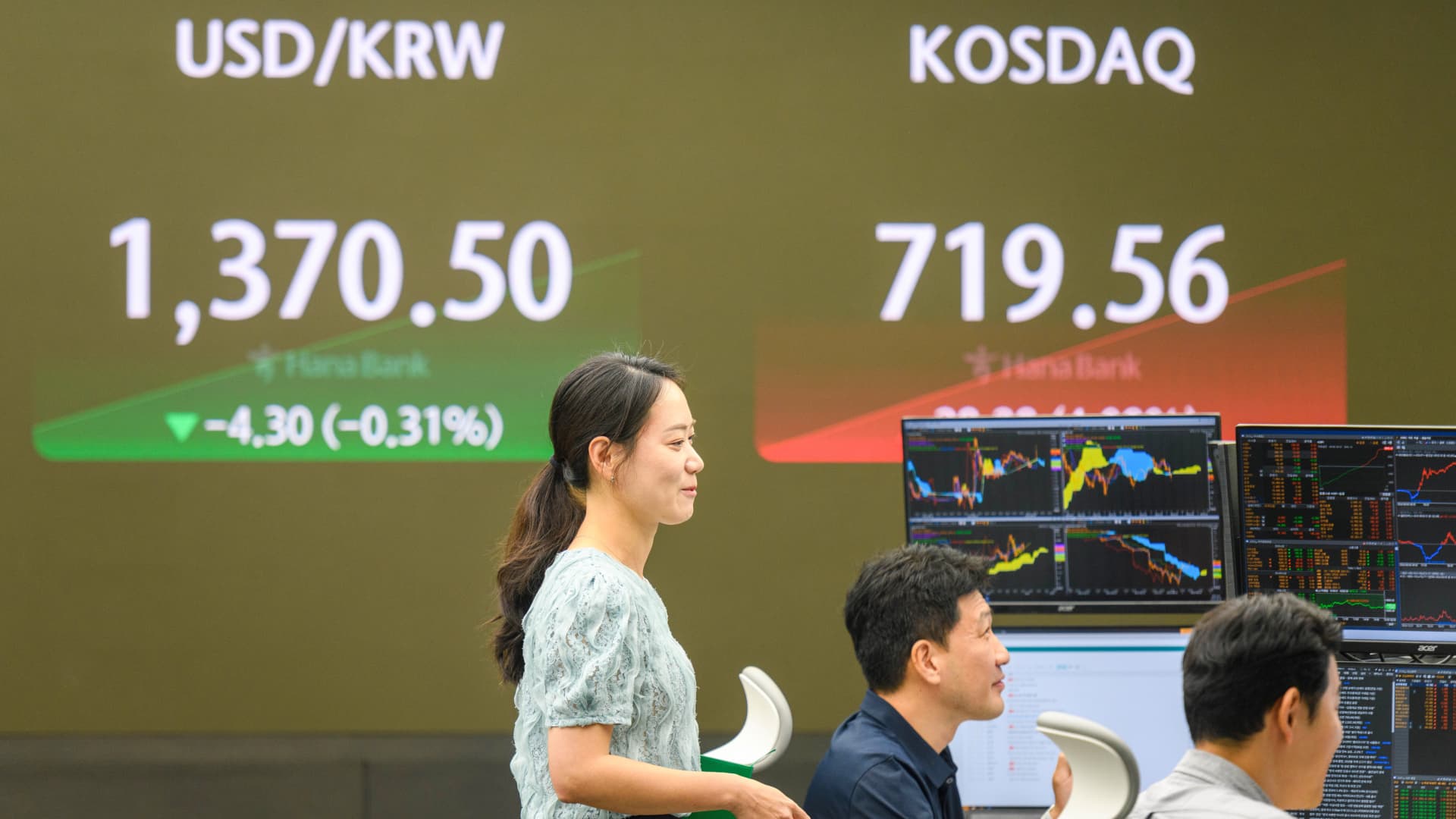
South Korean retail investors are launching a massive migration toward U.S. stock markets, driven by a desire to escape corrections at home while doubling down on high growth sectors. Recent data from the Korea Exchange shows that local investors spent much of last week selling off domestic stocks, even as the benchmark index pushed further into bull territory. This flight of capital has seen billions flow into American securities, with nearly 4.5 billion dollars poured into U.S. equities throughout July alone.
Perhaps the most baffling part of this trend is the appetite for American Depositary Receipts of companies already listed in Seoul. Investors have spent hundreds of millions buying U.S listed shares of SK Hynix despite having direct access to the company on their own home turf. These ADRs often trade at a significant premium compared to the original Korean shares, leading analysts like Owen Lamont of Acadian Asset Management to describe the behavior as absolutely crazy. Lamont suggests such price gaps are classic symptoms of a market bubble, reminiscent of speculative excesses seen during the dot com era with Taiwanese and Indian firms.
This aggressive approach extends beyond simple equity buys and into highly volatile leveraged products. A look at the top ten most popular holdings reveals a heavy preference for tools like the Direxion Daily Semiconductor Bull 3X Shares ETF, which seeks to triple the daily return of semiconductor indices. Experts suggest these traders aren’t actually diversifying their portfolios so much as swapping vehicles; they are moving away from struggling domestic semiconductor plays only to chase the exact same artificial intelligence themes in New York and Nasdaq listings where liquidity appears higher_and quality perceived as superior_.
While some worry this surge could destabilize global markets, many believe the sheer size of U.S trading volume will absorb the shock without major ripples. However, there is lingering concern regarding specific niches of the market_particularly quantum computing stocks and leveraged ETFs_where concentrated bursts of retail enthusiasm can magnify fluctuations and create localized distortions. For now, South Korean traders seem content to ride the AI wave wherever it takes them, regardless of whether they are buying in Seoul or Silicon Valley.