
Gen Z financial influencer explains how to use AI to invest
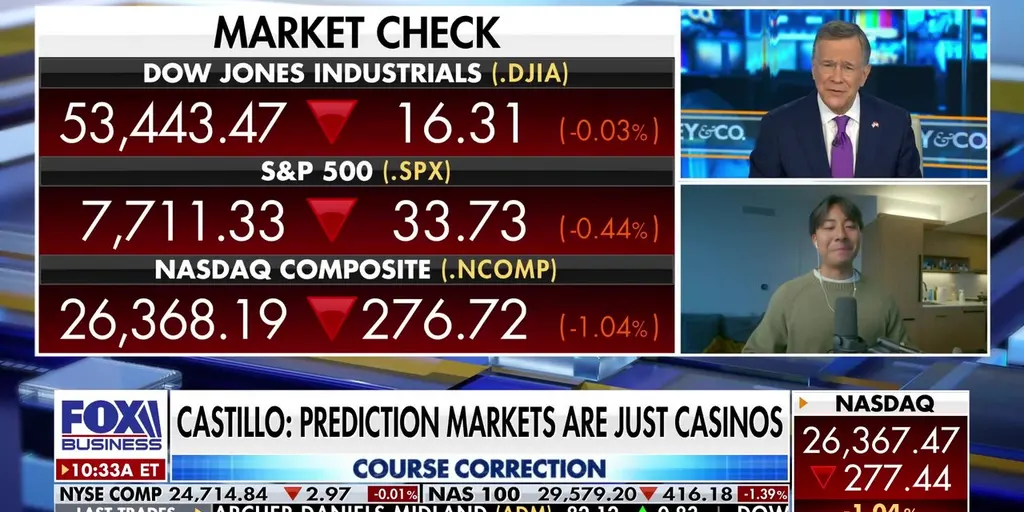
The landscape of personal finance is undergoing a digital transformation as a new wave of Generation Z influencers begins teaching their followers how to integrate artificial intelligence into their investment strategies. Moving away from traditional brokerage advice and stale textbooks, these creators are leveraging short-form video content to demystify complex algorithmic trading and automated portfolio management. By blending financial literacy with cutting edge tech, they are attempting to lower the barrier to entry for young adults who may feel intimidated by the stock market.
One prominent influencer recently detailed how large language models can be used to synthesize massive amounts of quarterly earnings reports and market sentiment data in seconds. Rather than spending hours reading through SEC filings, users are being encouraged to use AI tools to spot trends and summarize key risks associated with specific equities. However, the guidance comes with a heavy caveat that AI should serve as a research assistant rather than a definitive decision maker, emphasizing that human intuition and critical thinking remain essential for long term success.
Critics within the established financial sector have expressed concern over the speed at which this information spreads, noting that relying too heavily on an algorithm can lead to costly errors if the user does not understand the underlying fundamentals. There is also the ongoing risk of hallucinations where AI might present fabricated data as fact. Despite these warnings, the trend shows no signs of slowing down as more young investors seek efficiency and automation in an increasingly volatile economic climate.
Ultimately, this shift represents a broader change in how wealth is managed across generational lines. While older investors might rely on relationship managers and historical charts, Gen Z is treating investing like a software problem to be solved. As AI becomes more embedded in retail trading platforms, the line between amateur speculating and professional analysis continues to blur, turning every smartphone owner into a potential quantitative analyst.